




Lab grown diamonds
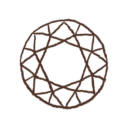
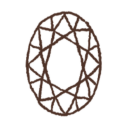
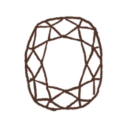
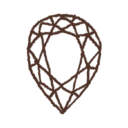
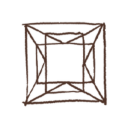
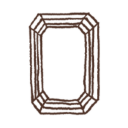
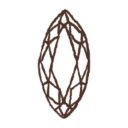

The majority of our rings and jewelry can be set with both natural and lab grown diamonds. Our pre-selected diamonds, both lab grown and natural diamonds, are of the quality H/SI1. Pre-selected diamonds can be found on the product page for each product or here. If you wish for a different quality, you can discover diamonds via our search filter for lab grown diamonds or contact our experts for personalized diamond suggestions.
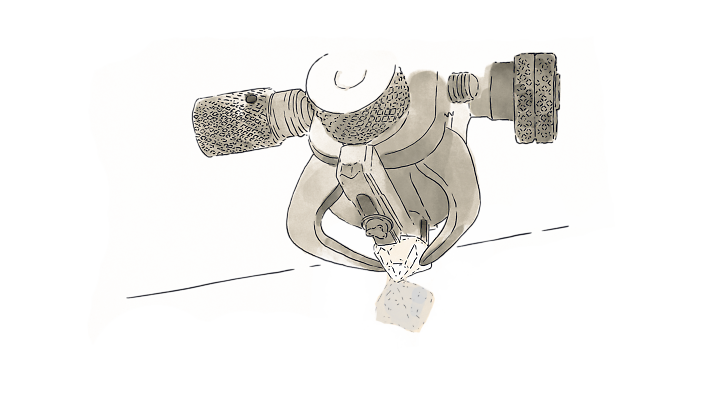
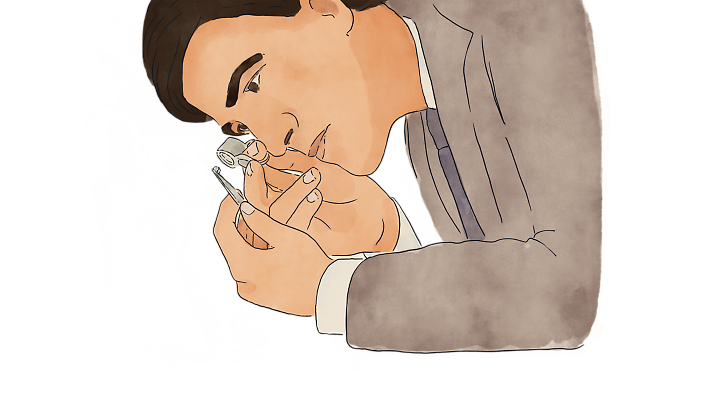
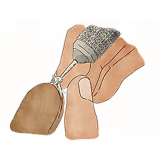
Synthetic diamonds, lab diamonds, lab grown diamonds, or manufactured diamonds; A rose by any other name would smell as sweet. The ability to create diamonds was much sought after for a long time, and many attempts have been made throughout history. The first lab grown diamond was produced in the 1950s leading to numerous production facilities being built. The method used worked, but the diamonds were of poor quality. The low-quality diamonds were exclusively used for industrial purposes as well as in the dental and knife industry. The lab grown diamonds that we are familiar with today were introduced in the 2010s and are unlike anything we have seen throughout history. In recent years, the “modern” lab grown diamonds have led to a significant increase in interest and demand for lab grown diamonds.
As the name reveals, a lab grown diamond is created in a laboratory. The manufacturing process itself requires advanced technology and renowned expertise. There are two different methods for creating a lab diamond: Chemical Vapor Deposition (CVD) and High Pressure High Temperature (HPHT). We offer diamonds produced through both processes.
CVD
The process begins when a gas, such as methane is introduced to a vacuum chamber. The environment activates the gas, and its molecules are broken down using microwaves. This creates a reaction that results in carbon atoms accumulating on a substrate, similar to how snowflakes accumulate in a snowfall. The substrate holds a tiny grain of diamond which collects the carbon atoms from the “snowfall” and grows into a diamond.
HPHT
During the HPHT process, a grain of carbon is exposed to a so-called High Pressure, High-Temperature technology. Due to the process's environment, the small grain can slowly turn into a diamond.
To learn more about natural diamonds, that is, diamonds created naturally by the earth, you can read about the topic here.

Certification institutions
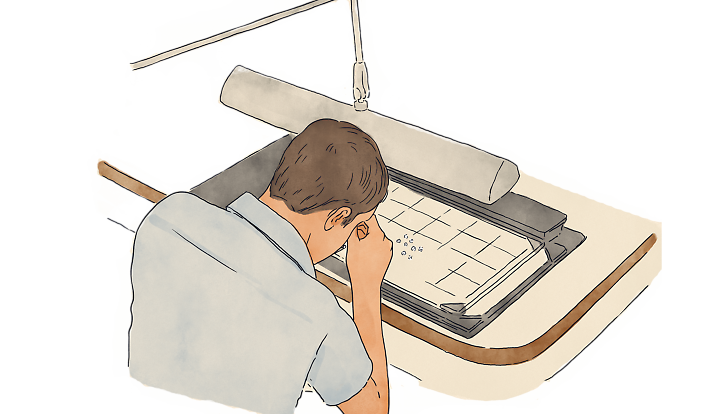
Our lab grown diamonds are certified by IGI, GCAL, or GIA, three of the most reputable institutes within the industry. IGI is by far the most advanced in the certification of lab grown diamonds, which is why we mainly work with IGI in the certification of lab grown diamonds. A certificate can be obtained for round diamonds with a carat weight of 0.30 and upwards and for fancy cuts (all diamonds not in the shape round) from 0.50 carats and upwards—a certificate for a carat weight lower than specified above may cost additional. Please contact our diamond experts for more information.
The 4C's
A diamond is graded by four parameters called the 4C's. Together they determine the look and price of a diamond. Read on to learn more about the 4 C's.
Cut
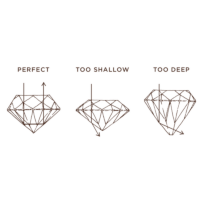
Determine how light is reflected. This is the most critical parameter to have in mind.
Color
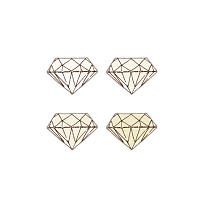
Describes the diamond’s color. The scale is letters between D-Z.
Carat
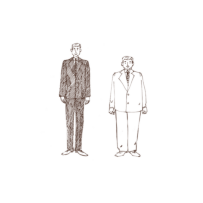
The weight unit for diamonds. One carat equals 200 milligrams.
Clarity
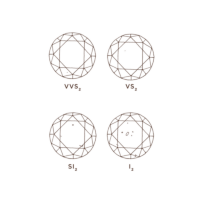
Describes the absence or presence of imperfections, their position, size, and origin.
Lab grown or natural diamond?
Both lab grown and natural diamonds are real diamonds, but they differ in origin, value, and rarity. Discover the key differences below and find a diamond that suits your desires.
Lab grown diamond facts
Low second-hand value
Lower price (20-50%)
Made by humans
Modified after preferences
Possibility of unique colors and shapes
Real diamond
Natural diamond facts
Great investment
Higher price
Made by nature
Unique in its kind
Limited and costly for specific requests
Real diamond

More sustainable?
Are lab grown diamonds more sustainable? The environmental impact of diamonds is an intensely discussed subject, with arguments from both parties. We have decided not to choose a side but instead offer both lab grown and natural diamonds and let our customers choose the most suitable choice for them.
One argument commonly used in the debate is that the production of lab grown diamonds requires a lot of electricity. On the other hand, natural diamonds require a lot of water. Our recommendation is to read on the subject and choose the alternative that best suits you. Our experts are more than happy to consult and discuss any thoughts you might have.

Colored lab grown diamonds
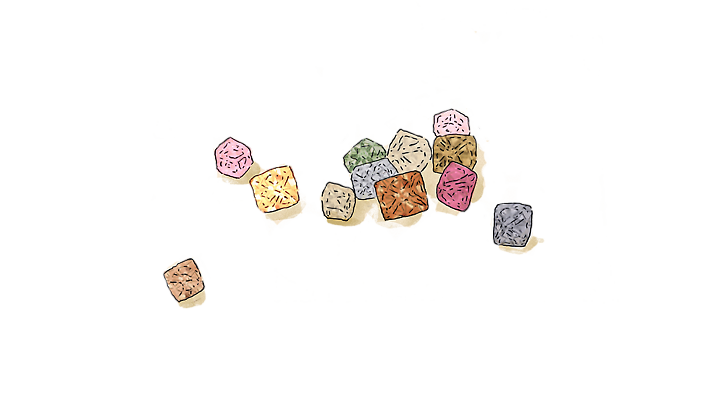
If you want a colored diamond but have noticed that the price is significantly higher than a colorless diamond, then a colored lab grown diamond is a good choice. Naturally colored diamonds are unique as it requires that an element to be placed in the diamond during the course of creation, which is rare. When you create diamonds in a laboratory, you have completely different possibilities to control the outcome of the diamond and hence, the price can be very much lower on a colored diamond.
FAQ
Our round diamonds above 0.30 carat (other shapes and lab grown above 0.50) come with a certificate. Diamonds certified by GIA after 2022 come with a digital certificate. We only work with renowned gemological institutions such as GIA and IGI. The authenticity of a diamond can be detected with a tool that can be found at most jewelers.
There are many choices to be made when purchasing a diamond. It is a big purchase with various alternatives. We offer a low-price warranty on diamonds and are happy to help you select the perfect diamond for your purpose. Our diamonds can be found via our registry or as pre-selected diamonds on each product’s page. Our pre-selected diamonds are hand-picked by our experts to make it as easy as possible for you as a customer. The preselected diamonds have the cut, color, and clarity we recommend; the only choice you have to make is the carat weight.
The round diamond is the most common of the diamond shapes. The round diamond has a brilliant cut developed to give maximum sparkle. No other cut reflects as much light as the round diamond. Read our guide for more information about the different diamond shapes.
A diamond of one carat does not have a standard price. All diamonds are unique and priced accordingly. Use the filter in our diamond registry to select a diamond that correlates with your preferences.