





VANBRUUN Guide
The Sapphire - A dream
What is a sapphire and why is it valuable? Sapphire is a highly durable gemstone, rated 9 on the Mohs hardness scale, prized for its beauty, wide color range, and symbolism of honesty and fidelity. Composed of the mineral corundum, sapphires appear in blue, yellow, green, and other colors (red corundum is called ruby). This guide explains the difference between natural and synthetic sapphires, common treatments, and key considerations before purchasing a sapphire for your jewelry.
The Sapphire's history and significance
The word sapphire comes from the Greek and the translation is "blue stone". It is a gemstone that has been coveted for thousands of years. The Persians believed, for example, that the earth grew on a sapphire and that the reflection of it colored the sky blue. The sapphire and the blue color symbolizes honesty and fidelity, which makes it a very appropriate stone in wedding rings. The sapphire’s popularity increased tremendously worldwide after Princess Diana got a wedding ring with a sapphire encased by Prince Charles.
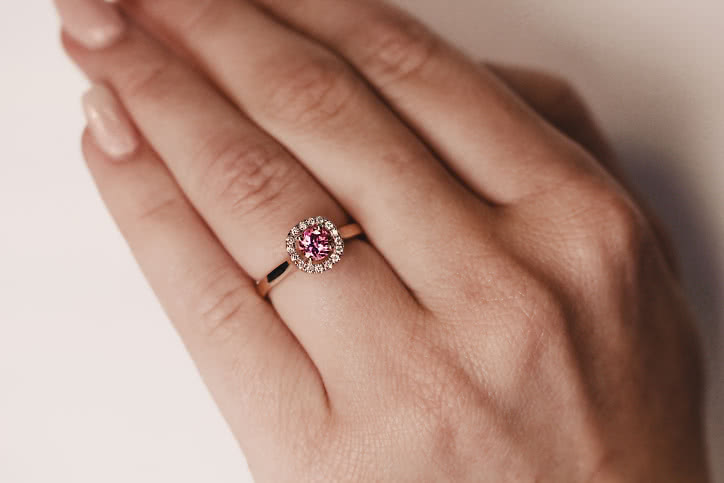
What does the Sapphire contain?
Sapphire is composed of the mineral corundum, which in turn consists of aluminum oxide. Many different stones contain the mineral corundum which contain traces of other metals such as iron, chromium and titanium, to name a few examples. These minerals determine which color a gemstone has. Sapphires can have basically all colors such as yellow, violet, orange or green. In other words, it can have almost any color except for red, then it is called ruby instead. A gemstone gets the red color of the impurities in the mineral chromium. The most common color of a sapphire is, as the name suggests - blue. This color is created when a larger amount of iron and titanium are in the corundum. Today you can find sapphires all over the world, such as in Australia, Burma, Thailand and Brazil.
MOHs scale of mineral hardness
Mohs scale of mineral hardness shows the resistance from scratches of a mineral. Most scratch resistant is the diamond which has 10 out of 10 on the scale. It is almost four times as hard as corundum, for example. Corundum, however, is the second most scratch resistant and has 9 out of 10 on the Mohs scale of mineral hardness. Sapphire and ruby are the only gemstones with this hardness. The minerals that has a hardness of 1-2 is very vulnerable and can be scratched with just a fingernail, examples of minerals like this are talc and gypsum. Minerals that has 5-6 on the scale can be scratched with a steel spike, such as garnet and opal.
The sapphire is considered to be a very durable stone from aspect of processing. The biggest risk with sapphires is when doing a repair since the surface can be etched when heating. If this happens, the stone has to be polished again. The availability of sapphires is almost unlimited and you can get both larger and smaller stones without any problems.
Sapphire – Genuine and imitation
Today sapphires belong to one of the most popular precious stones. In Sweden it is the most common precious stone in the jewelry trade. Something you should know before buying sapphires is that it is very rare with completely raw sapphires. A stone that is completely raw and natural can be worth very much, and is considered as one of the most valuable and coveted precious stones, especially if they have the right color and clarity. Sapphires who have received their color or quality artificially is not worth very much on the market today. You should know if a sapphire is genuine or synthetic before you buy it. Especially when certain treatments also affect its quality, for example they may be more fragile in some treatments, and may therefore break easier than a genuine sapphire.
Synthetic sapphires are used today in many parts of the industry, for example as abrasives, bearings and in optics. Synthetic sapphires have existed for as long as the late 1800s and therefore they occur even in jewelry from this time. One may ask why synthetic sapphire is produced at all. Like most gemstones, sapphires may seem more attractive for certain treatments. It could be anything from glass filling, heat treatments and diffusions. Most sapphires have gone through a heat treatment, that most people know about and there is no obligation for sellers and suppliers to declare this because it is so common and needed. If the stone however, has undergone a treatment to achieve a fancier color, such as a diffusion treatment, it should be mentioned as this or that it is a synthetic stone.